South Africa
Highlights of the Cape
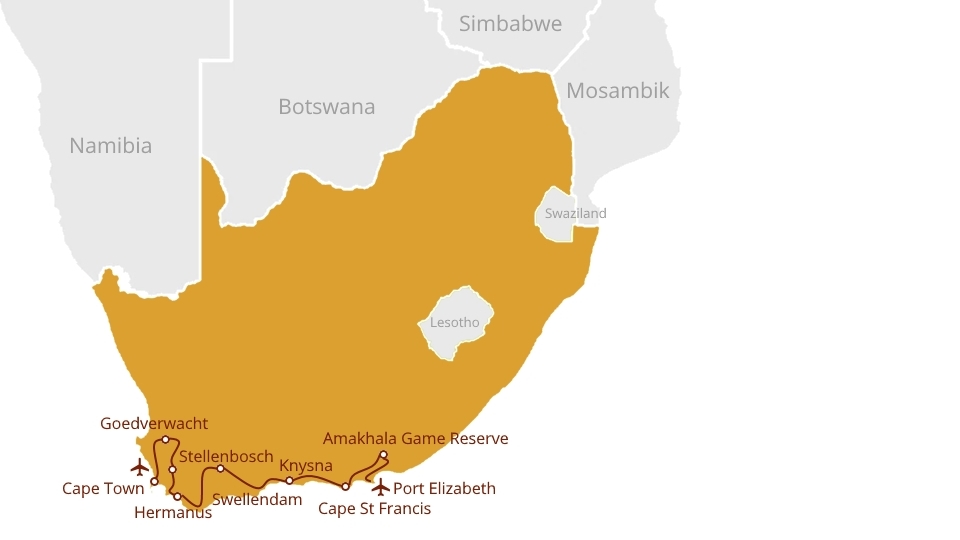
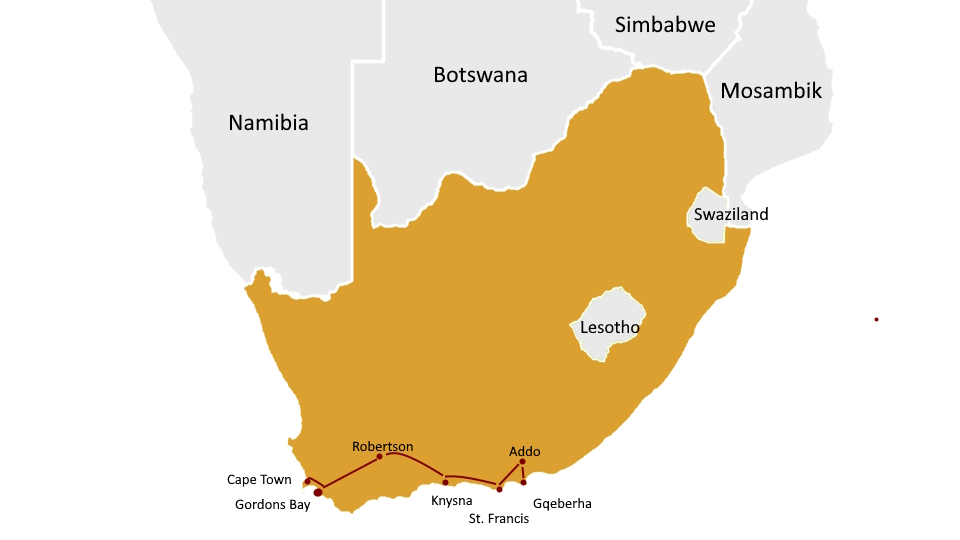
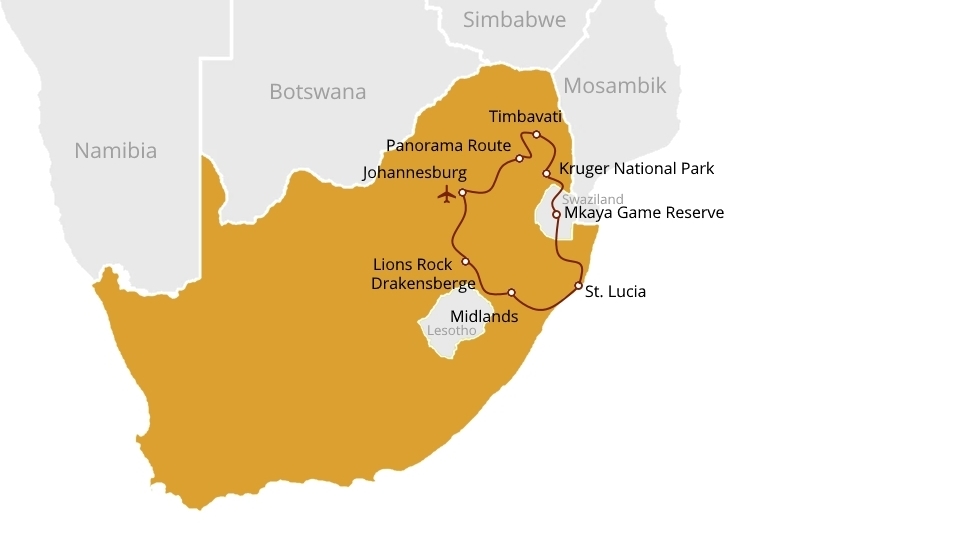
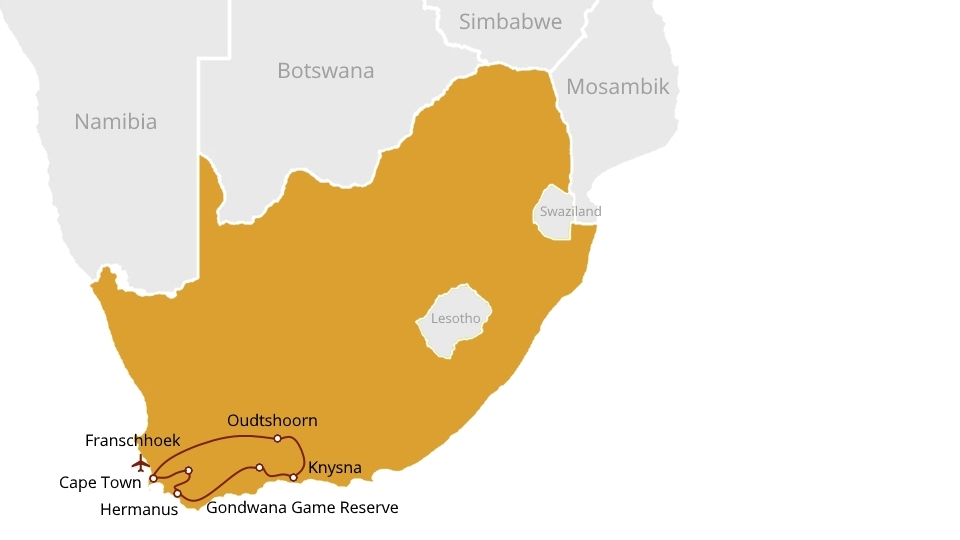
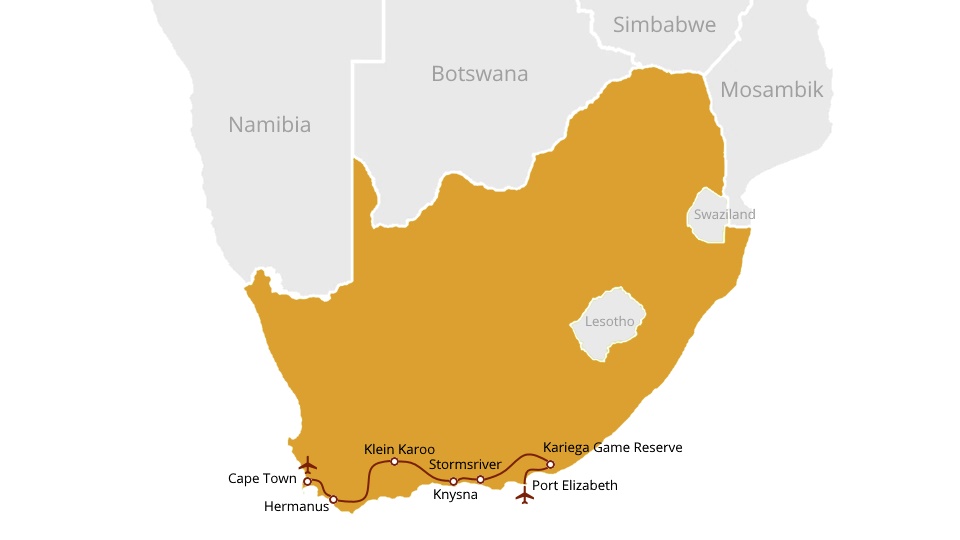
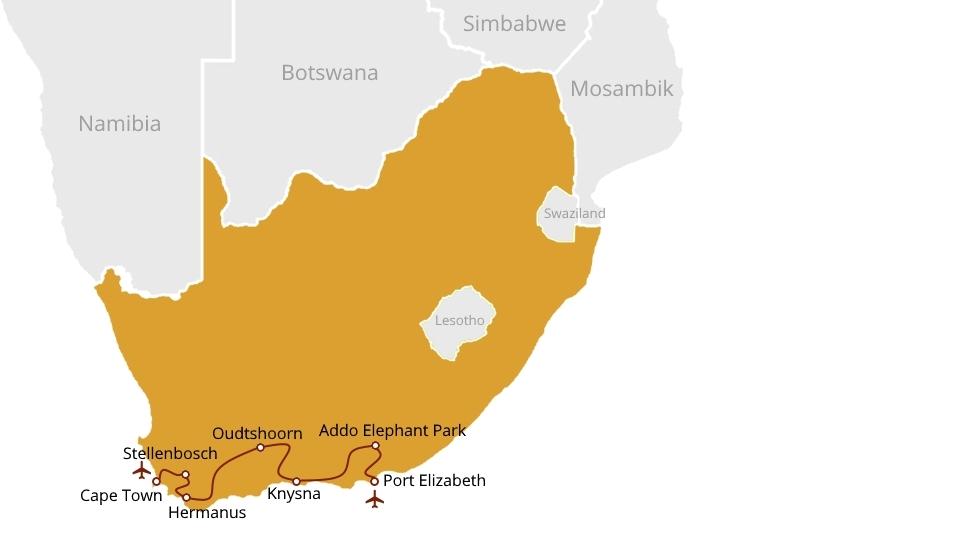
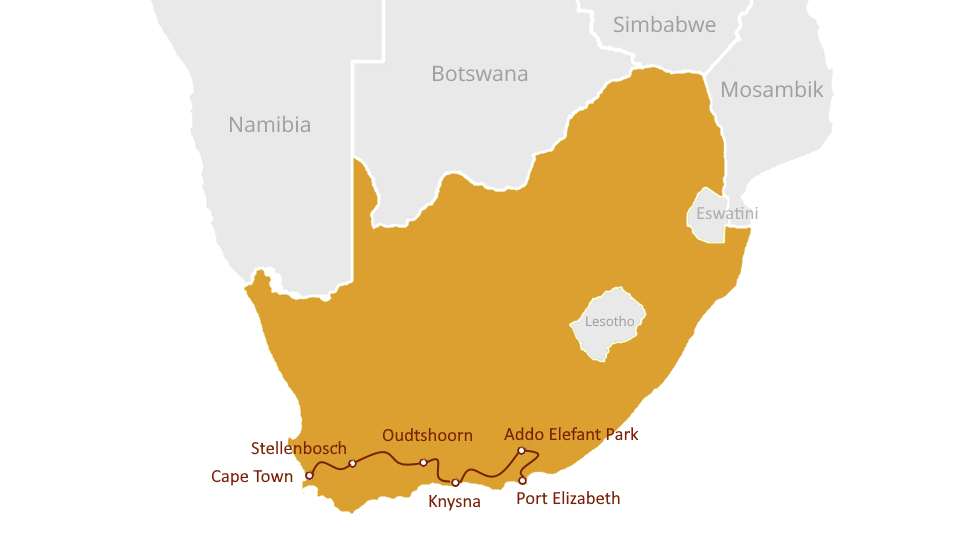
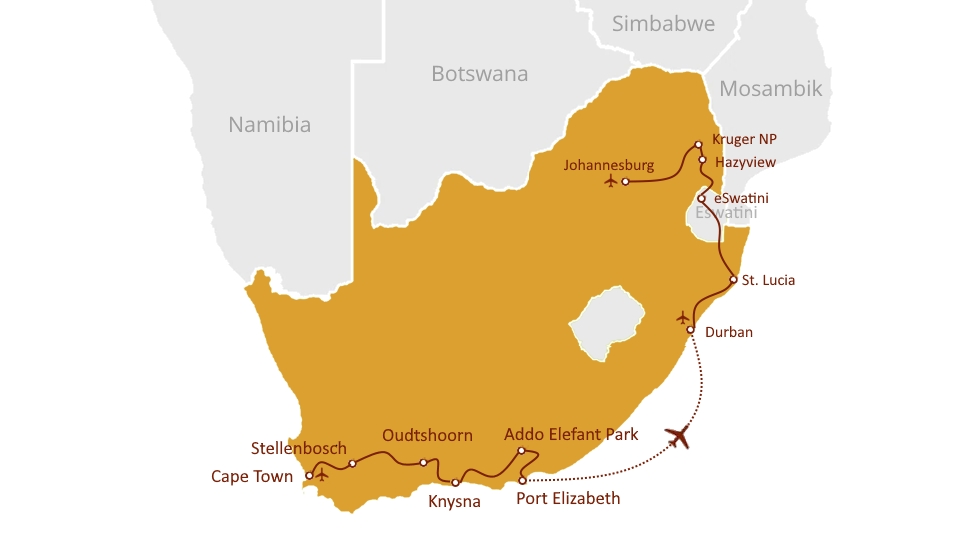
Cape Town · Stellenbosch · Hermanus · Barrydale · Oudtshoorn · Plettenberg Bay · Cape St Francis · Sibuya
We offer personal advice and bring route, travel style and timing together into one coherent journey.
Plan your journey together →We advise you personally and bring route, travel style and timing together into a coherent journey.
Plan your journey together →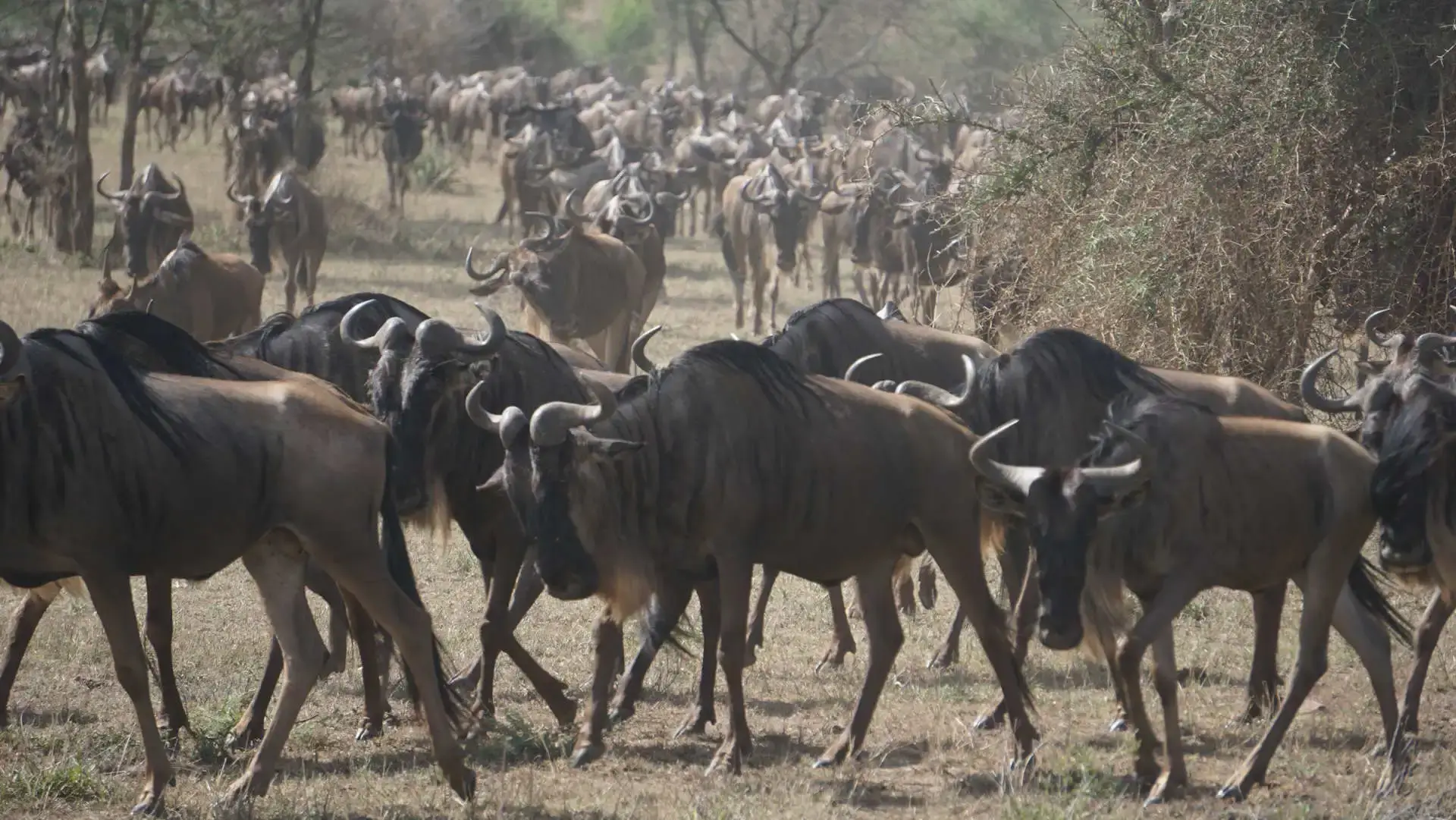
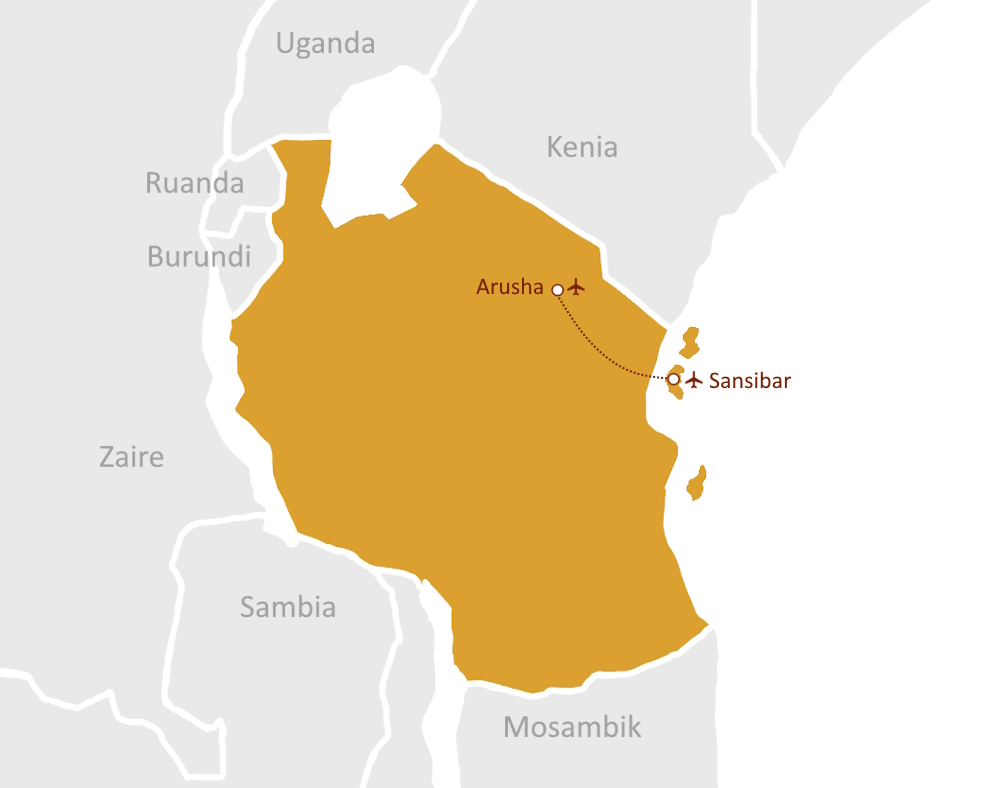
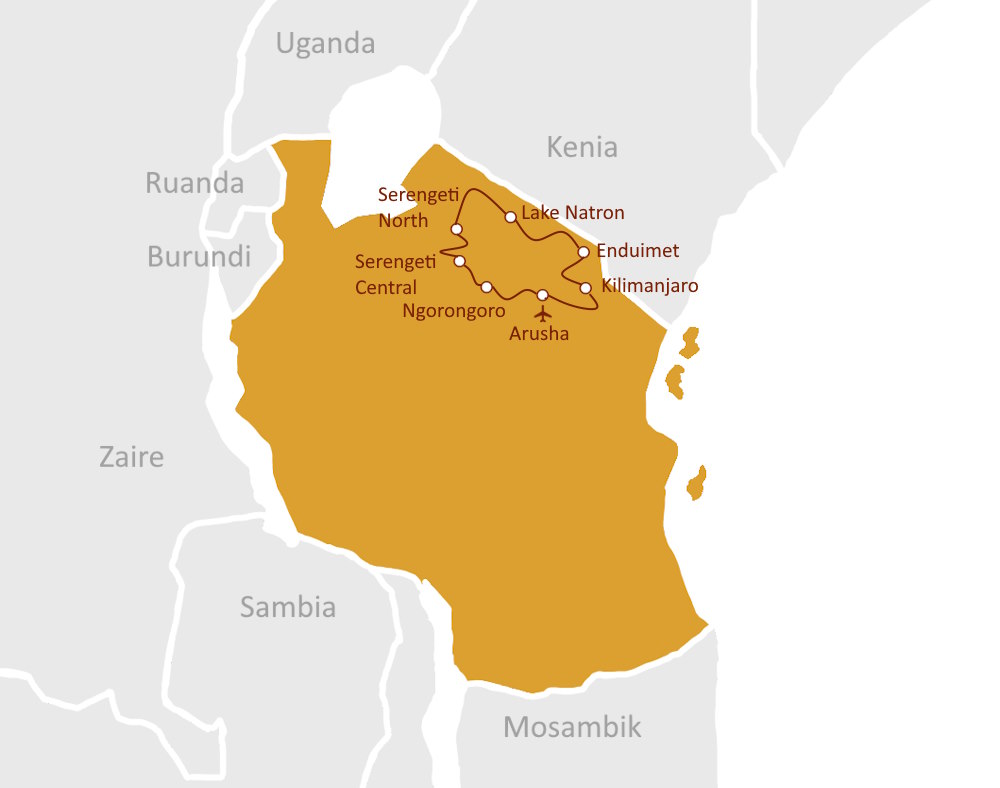
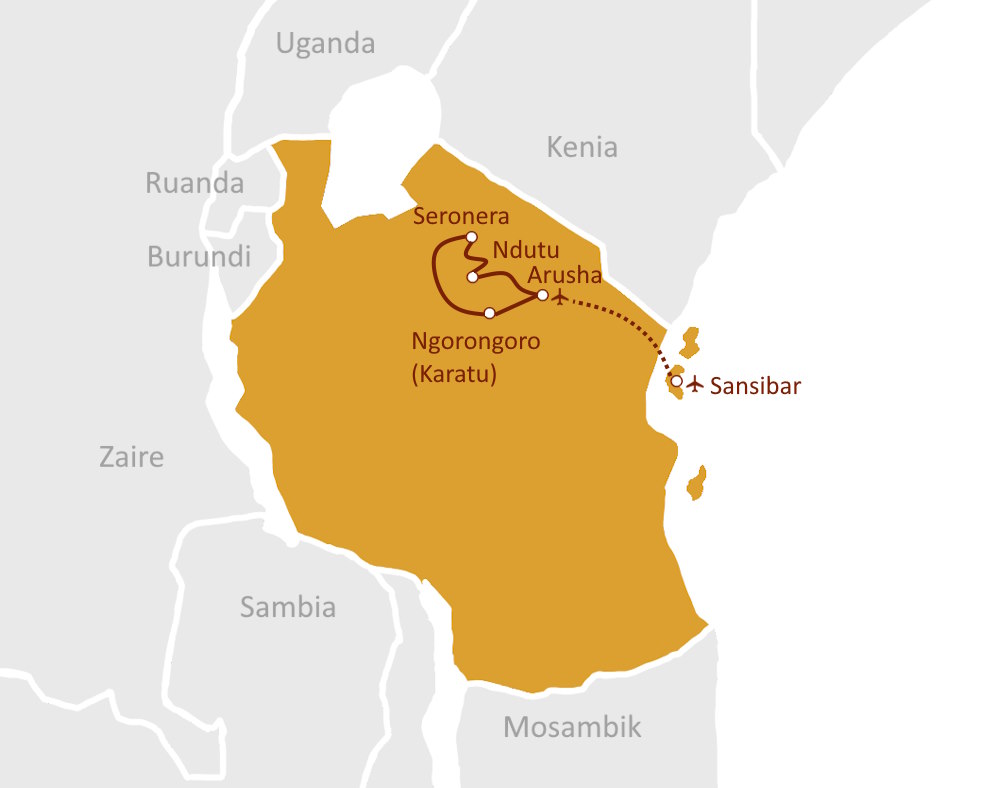
Tanzania is one of Africa’s classic safari destinations: the open plains of the Serengeti, the Ngorongoro Crater, Tarangire National Park and the landscapes around Kilimanjaro combine naturally in varied itineraries.
Not sure which journey suits you best? Write to us – we’ll be happy to advise you personally and without obligation.
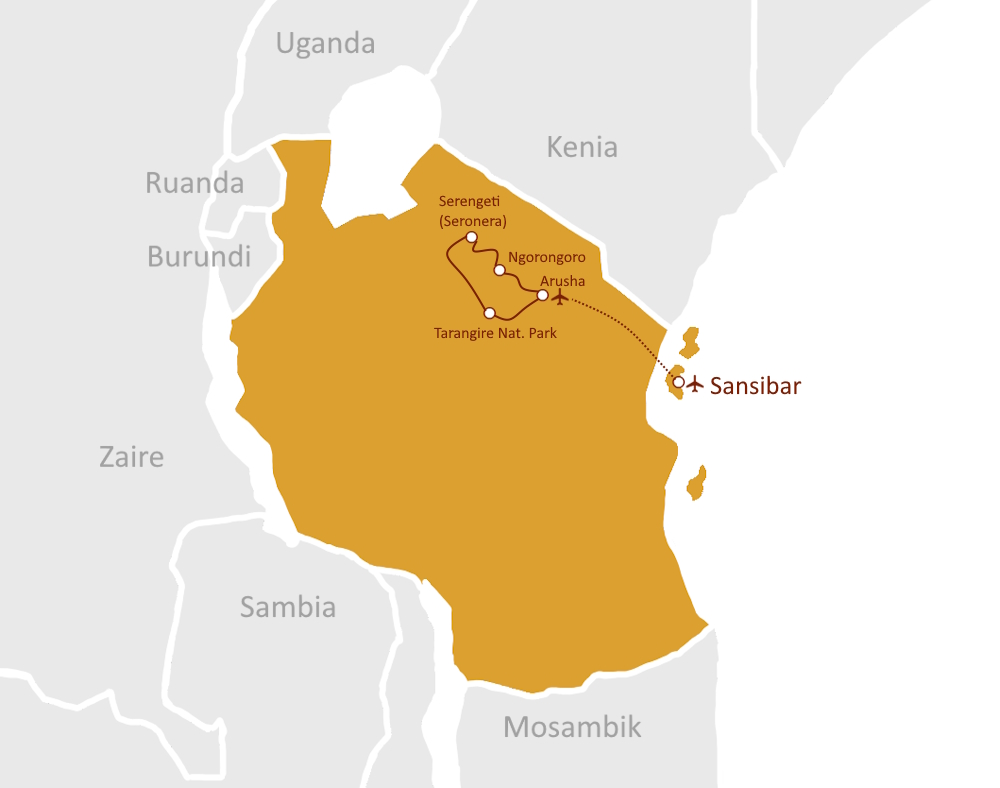
From the Serengeti and Ngorongoro Crater to Tarangire, Tanzania combines vast safari landscapes, rewarding wildlife viewing and some of Africa’s best-known natural areas.
Tanzania is home to some of Africa’s best-known safari landscapes. Vast savannahs, volcanic highlands, acacia woodland and exceptionally varied wildlife make it ideal for journeys with a clear safari focus.
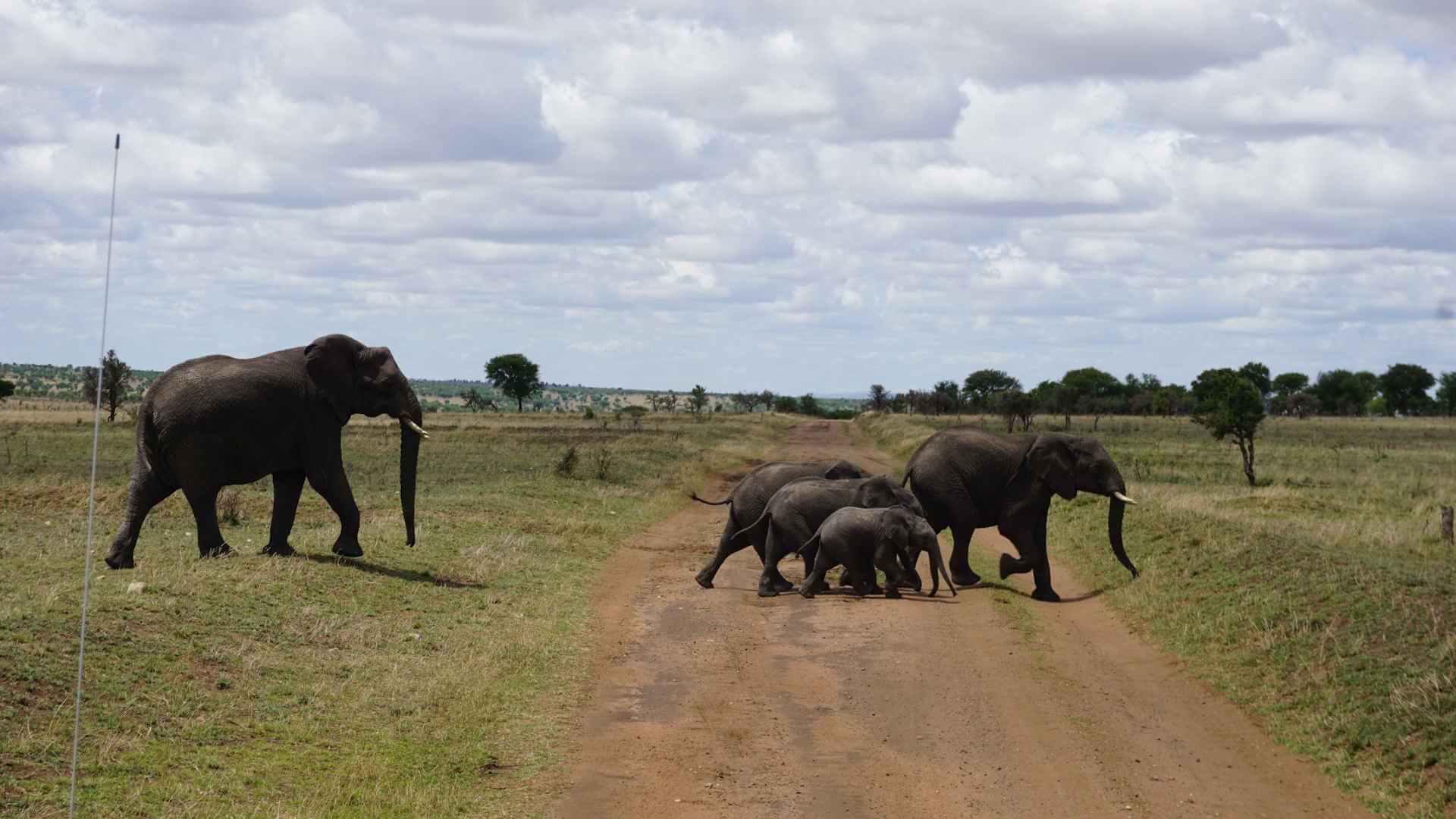
The Serengeti is one of the world’s most famous wilderness areas, known for open plains and large wildlife populations. The Ngorongoro Crater offers very good opportunities for concentrated wildlife viewing within a relatively compact area. In Tarangire National Park, great baobabs and large elephant herds shape the landscape.
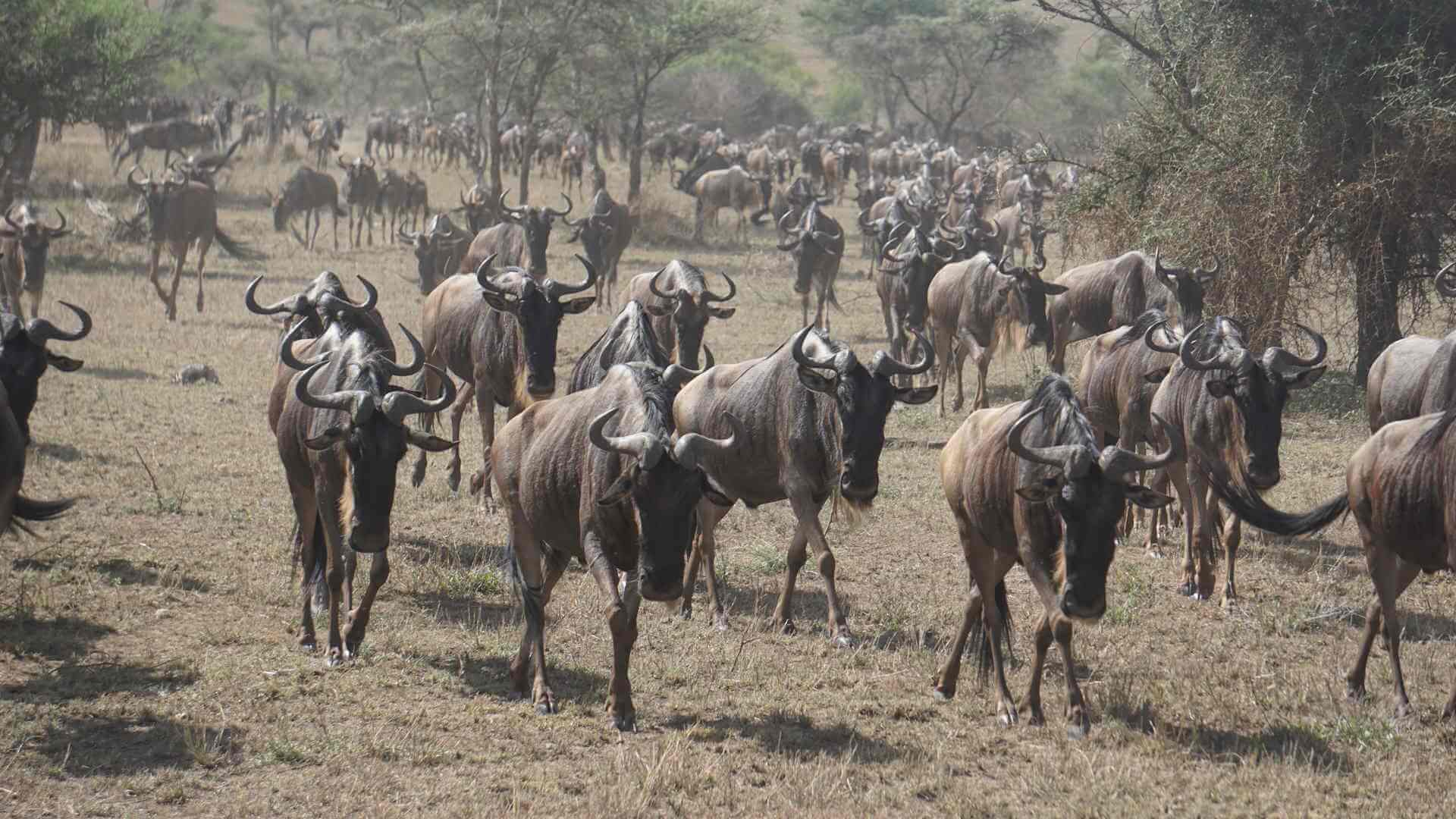
The movement of large wildebeest and zebra herds through the Serengeti–Mara ecosystem shifts continuously throughout the year. Which region is most rewarding at a particular time depends on rainfall and the natural movement of the herds.
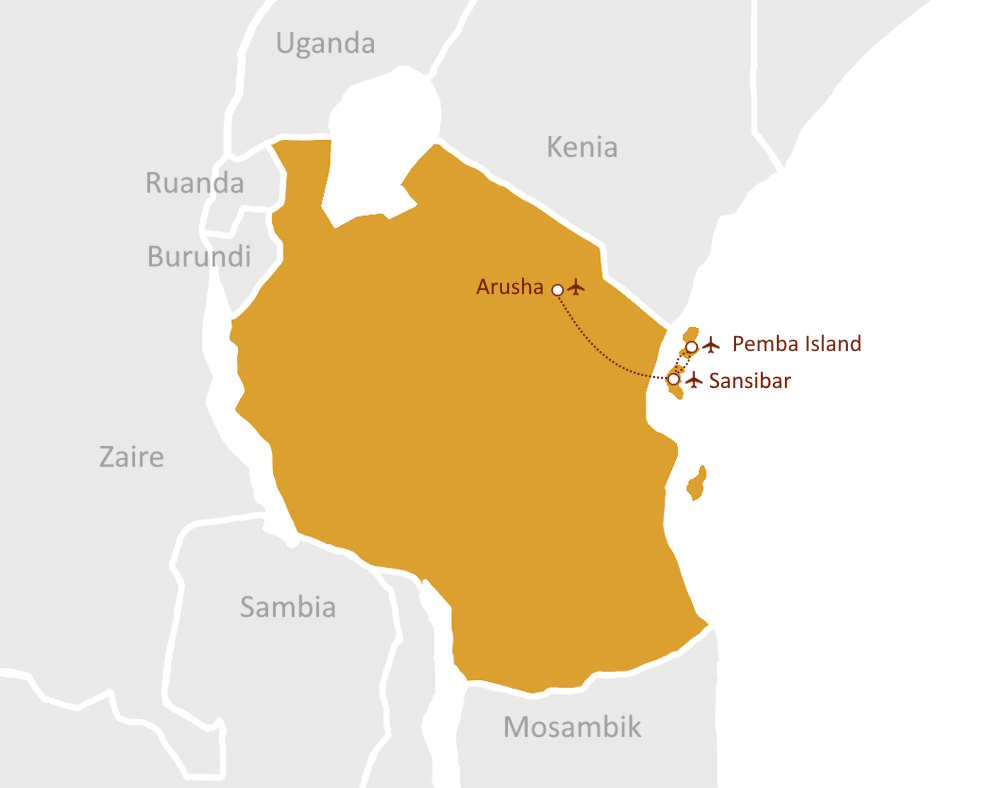
Depending on the route, safari experiences can be combined with further regions. Options include Lake Manyara, more remote protected areas or a stay on Zanzibar after the tour. This creates a journey that connects wildlife, landscapes and relaxation.
The classic northern safari route deserves enough time for several nights in the key regions. Fewer accommodation changes and longer stays allow for more relaxed game drives and a deeper travel experience.
Our Tanzania journeys are operated with experienced local partners and combine carefully planned routes with small groups. Use the journey overview for inspiration. We will be happy to advise you personally on travel seasons, safari regions and suitable combinations.
Different regions of Tanzania are rewarding at different times of year. The drier months are particularly popular for safari because animals gather more frequently around water and many tracks are easier to travel.
The green season can also be very appealing, with lush landscapes, fewer visitors and especially diverse birdlife.
Large wildebeest and zebra herds move throughout the Serengeti–Mara ecosystem all year. Their location depends strongly on rainfall and available grazing.
If seeing the migration is a priority, the travel season and region should be matched carefully.
The classic safari regions offer very good chances of seeing lions, elephants, giraffes, zebras, buffalo and numerous antelope species. Leopards, cheetahs and hyenas also occur in many areas.
Wildlife viewing remains a natural experience and sightings cannot be guaranteed.
The Ngorongoro Crater is a large volcanic caldera with a high density of wildlife. Many species live within a relatively compact area on the crater floor, which can make for especially rewarding safari experiences.
Yes. A safari tour in northern or southern Tanzania combines very well with several days on Zanzibar. Many travellers choose this pairing to follow intensive safari days with time by the coast.
Routine vaccinations should be checked before travel. A malaria risk exists in various regions of Tanzania.
The appropriate precautions depend on your route, travel season and personal circumstances. Individual travel-health advice before departure is therefore recommended.
Yes. The northern safari circuit in particular combines the Serengeti, Ngorongoro and Tarangire, offering a varied selection of well-known protected areas and strong wildlife-viewing opportunities.
For a first safari, it provides a broad introduction to the landscapes and wildlife of East Africa.



%2520(34)_1920.jpeg)


%2520(28)_1920.jpeg)

_1920.jpeg)