Lorem ipsum dolor sit amet, consectetur adipiscing elit. Suspendisse varius enim in eros elementum tristique. Duis cursus, mi quis viverra ornare, eros dolor interdum nulla, ut commodo diam libero vitae erat. Aenean faucibus nibh et justo cursus id rutrum lorem imperdiet. Nunc ut sem vitae risus tristique posuere.
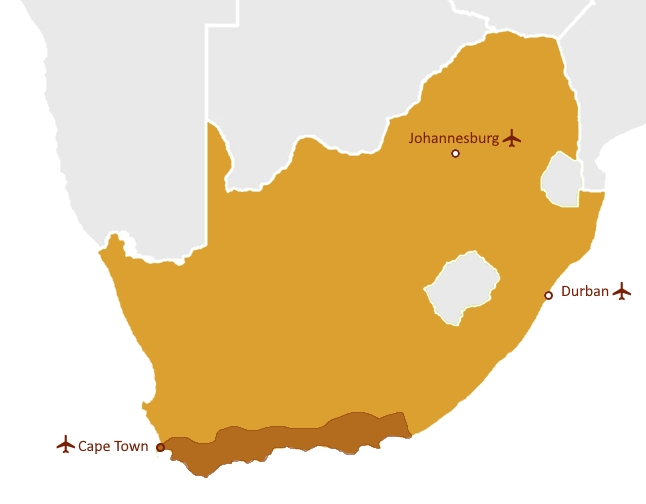
May marks the start of late autumn in the Cape region up to Port Elizabeth. The days are mostly mild, partly sunny, but cloudy phases and the first stronger Atlantic fronts are increasing, particularly around Cape Town. Rain showers are now more regular, but often stay short or pass through within a day. Along the Garden Route and up to Port Elizabeth, the climate remains relatively balanced, with fresh, clear air following rainfall. The temperatures are pleasant for hikes and round trips, while beach days are becoming rarer. Overall, a quiet travel time with fewer visitors and a soft autumn atmosphere.
September marks the transition from winter to spring in the Cape region to Port Elizabeth. The number of sunny days is increasing significantly, although occasional cold fronts can still bring rain, particularly in the Western Cape. Around Cape Town, clear, mild days alternate with fresh, windy phases. Along the Garden Route and up to Port Elizabeth, the weather is becoming increasingly stable and friendly. The landscape is beginning to blossom noticeably, especially in natural areas. Overall, September is a varied, increasingly mild travel month with increasing weather stability.
August is still winter in the Cape Region up to Port Elizabeth, but is already showing the First Harbingers of Spring. There are still regular Atlantic Fronts with Rain and Wind around Cape Town, with Sunny, Clear Days with Good Visibility in Between. Rainfall is usually more moderate along the Garden Route, while Port Elizabeth often experiences somewhat more stable sections. Sunny periods increase towards the end of the month. At higher altitudes, it can still be cool in isolated cases; frost rarely remains. Overall, a fresh, increasingly lively landscape is being created with the first blossoms in protected regions.
July is midwinter in the Cape Region up to Port Elizabeth and one of the betting months of the year, especially around Cape Town. Atlantic cold fronts regularly cause rain, sometimes heavy showers and windy days. This is followed by clear, sunny stretches of cool, fresh air and very good visibility. Rain is usually distributed more evenly along the Garden Route, while Port Elizabeth often stays a bit drier. The temperatures are cool, but frost is rare. In higher mountain areas, snow may occasionally fall. Overall, a quiet, green winter landscape characterizes the picture.
June marks the beginning of winter in the Cape region up to Port Elizabeth. Especially around Cape Town, Atlantic cold fronts bring regular rain, sometimes strong and with refreshing winds. Between the fronts, however, there are clear, sunny days with fresh, clean air and good visibility. Rainfall is more moderate along the Garden Route, while Port Elizabeth often remains a bit drier than the Western Cape. The temperatures are cool but rarely extreme. Snow is only possible at higher altitudes in the mountains. Overall, a calm, green winter atmosphere prevails with fewer travelers.
April brings noticeably quieter autumn conditions in the Cape region to Port Elizabeth. The great summer heat is over; instead, travelers can expect mild, mostly stable days with lots of sunshine. The first weak cold fronts can reach the region and occasionally cause cloudy periods or short periods of rain, particularly towards Cape Town. Along the Garden Route, the climate remains balanced and pleasant. The air is clear and the landscape looks fresher than in midsummer. The sea is slowly cooling down, but remains usable in sheltered bays. Overall, April is a very pleasant month to travel with less wind and moderate temperatures.
January is midsummer in the Cape region up to Port Elizabeth and is one of the sunniest months of the year. The days are mostly cloudless, dry and warm to hot, especially in the interior and in the winelands. In Cape Town, the strong southeast wind (“Cape Doctor”) often brings clear air and pleasant cooling. Along the Garden Route to Port Elizabeth, the temperature remains a bit more moderate, with only occasional, brief showers. The evenings are usually mild and pleasant. Atlantic water temperatures remain fresh while the Indian Ocean is slightly warmer. Ideal conditions for beach days, hikes and round trips.
December marks the beginning of midsummer in the Cape region up to Port Elizabeth and is characterized by lots of sun and increasing drought. Clear, warm to hot days dominate Cape Town, often accompanied by strong southeast winds, which ensure good visibility and dry air. Rain is rare and usually only for a short time. It stays a bit more temperate along the Garden Route, while Port Elizabeth often offers stable, sunny conditions. The landscape is beginning to dry out significantly, particularly in the Western Cape. Overall, there are excellent conditions for beach holidays, coastal tours and summer outdoor activities.
February is still midsummer in the Cape region up to Port Elizabeth and is usually somewhat more stable than January. The days are mostly sunny, dry and warm to hot, with a very low chance of rain. In Cape Town, the southeasterly wind often provides clear visibility and good air quality, but can blow heavily at times. It stays pleasantly warm along the Garden Route and around Port Elizabeth, with slightly higher humidity towards the Indian Ocean. The evenings are mild, perfect conditions for outdoor dinners and sundowners. The sea is slightly warmer on the south coast than on the Atlantic. Overall, ideal travel conditions.
November starts early summer in the Cape region up to Port Elizabeth and is one of the most pleasant months to travel. The days are mostly sunny, warm and increasingly dry. Around Cape Town, the influence of winter fronts is significantly diminishing; instead, frequent southeasterly winds ensure clear, stable conditions. The Garden Route has a mild, balanced climate with lots of sun and only occasional showers. Port Elizabeth is usually friendly and wind poor. The landscape is still green from winter rain, but is slowly beginning to dry out. Overall, ideal conditions for round trips, coastal activities and outdoor experiences.
March marks the transition from midsummer to early autumn and is one of the most pleasant months to travel in the Cape Region to Port Elizabeth. The intense heat subsides, but the days remain mostly sunny, dry and stable. In Cape Town, the southeasterly wind blows less frequently and weaker, making for quieter beach days. There are mild temperatures along the Garden Route and up to Port Elizabeth, with only occasional, brief rain showers. The sea is now a bit warmer than in previous months. Overall, March offers very balanced conditions for round trips, hikes, wine regions and coastal activities.
October brings noticeable spring to the Cape region as far as Port Elizabeth. The days are becoming significantly warmer and sunnier, while the probability of rain continues to decline. Around Cape Town, mild, clear days alternate with occasionally refreshing winds. Nature is now fresh green in many places, especially after the winter rains. There are pleasant temperatures along the Garden Route with mostly stable weather. Port Elizabeth is also experiencing increasingly sunny and dry conditions. The sea remains cool, but overall October is a very balanced and popular month to travel.

Lorem ipsum dolor sit amet, consectetur adipiscing elit. Suspendisse varius enim in eros elementum tristique. Duis cursus, mi quis viverra ornare, eros dolor interdum nulla, ut commodo diam libero vitae erat. Aenean faucibus nibh et justo cursus id rutrum lorem imperdiet. Nunc ut sem vitae risus tristique posuere.
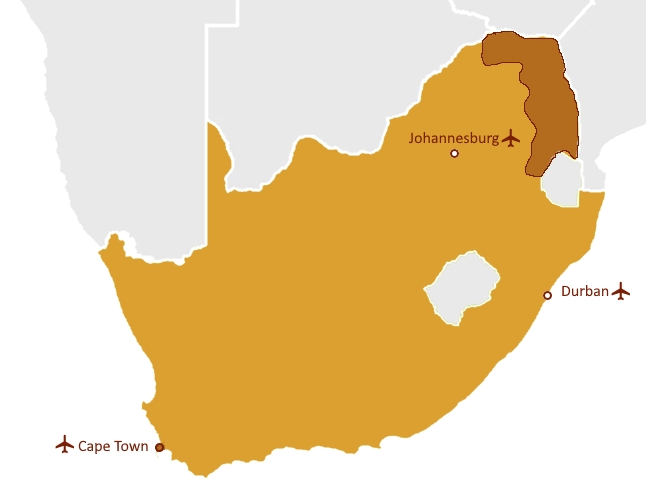
Der September kombiniert sehr gute Safari-Bedingungen mit steigenden Temperaturen. Die Landschaft bleibt trocken, Tiere sind weiterhin gut sichtbar und sammeln sich an Wasserstellen. Gegen Monatsende können erste Gewitter auftreten. Viele Gäste betrachten diesen Zeitraum als beste Reisezeit für den Kruger Nationalpark, da Klima, Tierdichte und Sichtverhältnisse besonders gut zusammenpassen und intensive Safari-Erlebnisse ermöglichen.
Im August erreicht die Trockenzeit im Kruger Nationalpark ihren Höhepunkt. Die Landschaft wirkt karg und staubig, bietet jedoch hervorragende Bedingungen für Tierbeobachtungen. Tiere müssen regelmäßig Wasser aufsuchen und sind dadurch gut vorhersehbar. Für eine intensive Safari im Kruger Nationalpark ist dieser Monat besonders geeignet und wird häufig als Teil der besten Reisezeit für den Kruger Nationalpark beschrieben.
Der Juli zählt zu den beliebtesten Monaten für eine Safari im Kruger Nationalpark. Trockenes Klima, stabile Wetterverhältnisse und sehr gute Sicht prägen diese Zeit. Tiere sind gut erkennbar und sammeln sich an wenigen Wasserquellen. Die Temperaturen sind tagsüber mild, morgens kann es frisch sein. Für viele Reisende gilt dieser Zeitraum eindeutig als beste Reisezeit für den Kruger Nationalpark, da Tierdichte und Wetterbedingungen optimal harmonieren.
Im Mai setzt sich die Trockenzeit im Kruger Nationalpark klar durch. Die Tage sind warm, die Nächte kühler und die Vegetation wird lichter. Tiere sammeln sich zunehmend an verbleibenden Wasserstellen, was hervorragende Bedingungen für eine Safari im Kruger Nationalpark schafft. Viele Reisende betrachten diesen Monat als Beginn der besten Reisezeit für den Kruger Nationalpark, da Sichtverhältnisse, Temperaturen und Tierkonzentration ideal zusammenspielen und intensive Wildbeobachtungen ermöglichen.
Der April markiert den Übergang in die Trockenzeit im Kruger Nationalpark. Die Luft wird trockener, die Temperaturen sind angenehm warm und Regen fällt nur noch selten. Die Vegetation beginnt auszudünnen, Tiere orientieren sich stärker an Wasserstellen. Für viele Gäste zählt dieser Monat bereits zur besten Reisezeit für den Kruger Nationalpark, da Klima und Safari-Bedingungen ausgewogen sind. Eine Safari im Kruger Nationalpark ist jetzt deutlich komfortabler und sichtungsreicher als während der sommerlichen Regenzeit.
Der Juni bringt klare Wintertage in den Kruger Nationalpark. Die Luft ist trocken, die Sicht ausgezeichnet und die Temperaturen tagsüber angenehm. Nachts kann es deutlich abkühlen. Tiere konzentrieren sich stark an Wasserstellen, wodurch die Safari im Kruger Nationalpark besonders intensiv wird. Diese Phase wird häufig als beste Reisezeit für den Kruger Nationalpark bezeichnet, da Großwild gut sichtbar ist und die klimatischen Bedingungen als sehr angenehm gelten.
Im März klingt die Regenzeit im Kruger Nationalpark allmählich ab. Die Temperaturen bleiben warm, Niederschläge nehmen jedoch spürbar ab. Die Vegetation ist noch grün, wird aber zunehmend lichter, wodurch sich die Sicht auf Wildtiere verbessert. Für viele Reisende stellt dieser Monat einen guten Kompromiss zwischen Landschaft und Tierbeobachtung dar. Eine Safari im Kruger Nationalpark ist nun angenehmer als im Hochsommer. Wer flexibel reist, findet hier eine attraktive Alternative zur klassischen besten Reisezeit für den Kruger Nationalpark.
Der Februar gehört weiterhin zur Regenzeit im Kruger Nationalpark. Warme Temperaturen und kurze, kräftige Schauer sorgen für eine sattgrüne Savannenlandschaft. Wasser ist reichlich vorhanden, wodurch sich Tiere stärker verteilen. Für eine Safari im Kruger Nationalpark bedeutet dies etwas mehr Geduld, gleichzeitig aber eindrucksvolle Naturmomente. Fotografisch bietet dieser Monat intensive Farben und dramatische Wolkenformationen. Als beste Reisezeit für den Kruger Nationalpark gelten eher die trockenen Monate, doch Naturfreunde erleben jetzt eine besonders lebendige Phase.
Der Dezember bringt sommerliche Hitze und regelmäßige Gewitter in den Kruger Nationalpark. Die Natur zeigt sich üppig, grün und lebendig. Für Reisende bedeutet dies eine intensive Naturerfahrung mit vielen Jungtieren und aktiver Vogelwelt. Die Safari im Kruger Nationalpark erfordert etwas Geduld, da Tiere sich stärker verteilen. Die beste Reisezeit für den Kruger Nationalpark liegt wetterbedingt eher in der trockenen Winterperiode.
Mit dem November beginnt die Regenzeit im Kruger Nationalpark erneut. Die Landschaft wird grüner, Temperaturen und Luftfeuchtigkeit steigen deutlich an. Viele Tiere haben Nachwuchs, was die Safari im Kruger Nationalpark besonders reizvoll macht. Die Sicht kann durch dichteres Grün eingeschränkt sein. Als beste Reisezeit für den Kruger Nationalpark gelten klimatisch eher die trockenen Wintermonate.
Im Oktober steigen die Temperaturen im Kruger Nationalpark deutlich an. Die Trockenzeit hält noch an, erste Gewitter kündigen jedoch die kommende Regenperiode an. Tiere bleiben gut sichtbar, auch wenn die Hitze zunimmt. Für eine Safari im Kruger Nationalpark sind weiterhin gute Bedingungen gegeben, wenngleich dieser Monat nicht mehr uneingeschränkt als beste Reisezeit für den Kruger Nationalpark gilt.
Der Januar liegt mitten in der sommerlichen Regenzeit im Kruger Nationalpark. Hohe Temperaturen, eine spürbare Luftfeuchtigkeit und regelmäßige Gewitter am Nachmittag prägen das Klima. Die Landschaft zeigt sich üppig grün und wasserreich. Für eine Safari im Kruger Nationalpark sind Tierbeobachtungen gut möglich, auch wenn die Vegetation dichter ist und Geduld erfordert. Als klassische beste Reisezeit für den Kruger Nationalpark gelten eher die trockenen Wintermonate, dennoch bietet dieser Zeitraum intensive Naturerlebnisse, dramatische Lichtstimmungen und eine besonders aktive Vogelwelt.

Lorem ipsum dolor sit amet, consectetur adipiscing elit. Suspendisse varius enim in eros elementum tristique. Duis cursus, mi quis viverra ornare, eros dolor interdum nulla, ut commodo diam libero vitae erat. Aenean faucibus nibh et justo cursus id rutrum lorem imperdiet. Nunc ut sem vitae risus tristique posuere.
In August, the dry winter period continues in KwaZulu-Natal. The landscape looks more open, the vegetation is lower and the visibility is excellent. Animal observations are particularly successful for a safari in KwaZulu-Natal, as animals regularly visit water. The weather remains stable and mostly sunny. This month is often referred to as part of the best time to travel to KwaZulu-Natal.
September combines dry conditions with slowly rising temperatures in KwaZulu-Natal. Visibility remains very good and animals are still easy to observe. The first thunderstorms may occur towards the end of the month. For many travelers, this period is still the best time to travel to KwaZulu-Natal, as climate, beach and safari can be ideally combined.
July is one of the most popular travel months in KwaZulu-Natal. The climate is dry and stable, and visibility is excellent. It can be fresh in the morning, but the days are sunny and pleasantly warm. Animals are highly visible and concentrate more heavily on a few water sources. For many visitors, this month is clearly considered the best time to travel to KwaZulu-Natal for safaris, as animal density and weather are in perfect harmony.
June brings dry winter days to KwaZulu-Natal. The temperatures are pleasant during the day, but it can cool down significantly at night. The air is clear and the vegetation is much lighter than in summer. There are now very good conditions for a safari in KwaZulu-Natal, as animals are more common at water points. This phase is considered by many to be the best time to travel to KwaZulu-Natal, especially for game viewing in the private game reserves.
In May, the drier phase in KwaZulu-Natal will clearly prevail. The days are mild and sunny, the nights are cooler. The vegetation is getting lighter and animals are focusing more on water points. For a safari in KwaZulu-Natal, there are now very good conditions with a clear view. Many travelers see this period as part of the best time to travel to KwaZulu-Natal, as pleasant temperatures and good wildlife viewing go together perfectly.
April marks the transition to the drier season in KwaZulu-Natal. The temperatures are pleasantly warm and rainfall is becoming less frequent. The landscape remains green, but the tall grass begins to retreat. Visibility improves significantly for a safari in KwaZulu-Natal. Many travelers already regard this month as the start of the best time to travel to KwaZulu-Natal, as climate, wildlife viewing and beach opportunities are easy to combine.
In March, the tendency to rain in KwaZulu-Natal slowly subsides. The temperatures remain pleasantly warm and the humidity drops slightly. The vegetation is still green but is becoming a bit lighter. For travelers, there is a good balance between landscape and wildlife viewing. A safari in KwaZulu-Natal is now more comfortable than in midsummer. If you travel flexibly, you will find an attractive alternative to the classic best time to travel in KwaZulu-Natal and enjoy varied nature experiences.
February is still part of the rainy summer season in KwaZulu-Natal. Warm temperatures and short, heavy showers make for a lush green landscape. Especially in iSimangaliso Wetland Park and in the coastal regions, nature appears tropical and rich in species. A safari in KwaZulu-Natal requires some patience, as animals are not exclusively tied to water points. In terms of climate, the best time to travel to KwaZulu-Natal is considered to be the dry months, but nature lovers are now experiencing a particularly dynamic phase.
December brings summer heat and regular thunderstorms to KwaZulu-Natal. Nature is alive and tropically green. For travelers, this means intensive nature experiences, warm bathing weather on the coast and active wildlife. The safari in KwaZulu-Natal requires some patience as animals spread out. The best time to travel to KwaZulu-Natal is climatically in the dry winter period.
November marks the start of the summer rainy season in KwaZulu-Natal. Temperatures are rising, thunderstorms are becoming more frequent and the landscape is once again becoming lush green. For nature lovers, this time offers impressive lighting conditions and active birdlife. Good experiences are still possible for a safari in KwaZulu-Natal, even if the vegetation becomes denser.
In October, temperatures in KwaZulu-Natal rise significantly. The first summer rain showers announce the coming rainy phase. The vegetation starts to grow again. For a safari in KwaZulu-Natal, the conditions remain good, even as the heat increases. However, the best time to travel to KwaZulu-Natal is still considered to be the dry winter months.
January is the middle of warm summer in KwaZulu-Natal. High temperatures, noticeable humidity and regular thunderstorms in the afternoon characterize the climate. Tropical conditions prevail along the coast, but it is a bit drier in the hinterland. Wildlife viewing is easy for a safari in KwaZulu-Natal, even though vegetation and grass are denser. The classic best time to travel to KwaZulu-Natal is considered to be the drier winter months, yet this period offers intensive nature experiences and vivid landscapes.

Lorem ipsum dolor sit amet, consectetur adipiscing elit. Suspendisse varius enim in eros elementum tristique. Duis cursus, mi quis viverra ornare, eros dolor interdum nulla, ut commodo diam libero vitae erat. Aenean faucibus nibh et justo cursus id rutrum lorem imperdiet. Nunc ut sem vitae risus tristique posuere.
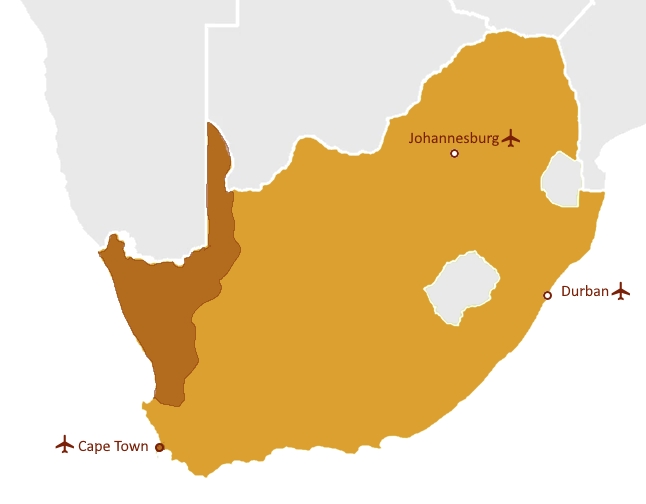
September is considered the peak of the wildflower season in Namaqualand, provided that sufficient winter rain has fallen. At the same time, the conditions in Kgalagadi remain very good for wildlife viewing. The temperatures rise slightly but remain pleasant. For many nature lovers, this month is clearly part of the best time to travel to the west coast of South Africa.
In August, the climate on the west coast of South Africa remains dry and pleasant. After occasional winter rains, the famous wildflower season can begin in Namaqualand. At the same time, there are still very good safari conditions in Kgalagadi. This combination of mild climate and natural experience makes August an important part of the best time to travel to the west coast of South Africa.
July brings stable, dry winter days to the west coast of South Africa. The air is clear, visibility is excellent. Inland, it can get cold at night. The conditions are ideal for safaris in the Kgalagadi Transfrontier Park, as animals are more common at water points. Many travelers regard this month as the core of the best time to travel to the west coast of South Africa.
June is one of the most pleasant months on the west coast of South Africa. The days are sunny and mild, the nights are cool. Rain falls only sporadically in southern Namaqualand. The landscape remains dry but offers excellent conditions for wildlife viewing in Kgalagadi. Due to moderate temperatures, this period is considered by many to be the best time to travel to the west coast of South Africa.
The more pleasant season on the west coast of South Africa begins in May. The temperatures are mild during the day and noticeably cooler at night. The dry air provides excellent visibility. For a trip through Namaqualand or the Kgalagadi Transfrontier Park, this month offers ideal conditions for nature and animal experiences. Many travelers regard this phase as the best time to travel to the west coast of South Africa.
April brings milder temperatures to the west coast of South Africa. Rain is still scarce, and the air is clear and dry. The vastness of the landscape is particularly impressive, as dust and heat decrease. The conditions for wildlife viewing in Kgalagadi are significantly improving. Many visitors already regard this month as part of the best time to travel to the west coast of South Africa, as the climate and visibility are very pleasant.
In March, the extreme summer heat slowly subsides, particularly along the coast. Inland, it remains dry and sunny. The landscape between Namaqualand and Kalahari remains barren, but the temperatures are becoming more pleasant. For a safari in the Kgalagadi Transfrontier Park, there are good conditions with stable visibility. Many travelers see this month as an interesting transition period to the best time to travel to the west coast of South Africa.
February remains hot and dry on the west coast of South Africa. In the Kgalagadi Transfrontier Park in particular, temperatures reach high levels, while the coastal region remains somewhat more temperate due to the cold Benguela Current. The vegetation is sparse, wildlife observations focus on water points. For many travelers, this is not the classic best time to travel to the west coast of South Africa, but the clear air offers impressive views and intense colors in the semi-desert.
December is high summer on the west coast of South Africa. Temperatures are rising significantly, particularly inland towards Kalahari. Along the coast, the Benguela Current provides somewhat milder conditions. The landscape remains dry and vast. The best time to travel to the west coast of South Africa is usually seen in the winter months, but summer trips offer intense colors and spectacular sunsets.
November brings early summer heat to the west coast of South Africa. Rain is rare and the landscape is dry and dusty. Wildlife observations remain possible, but focus heavily on water points. For many travelers, the best time to travel to the west coast of South Africa is in the cooler phase of the year.
In October, temperatures on the west coast of South Africa rise again. The landscape is becoming increasingly dry and the flowering season is ending. The conditions remain good for safaris in Kgalagadi, even though the heat is slowly increasing. The best time to travel to the west coast of South Africa is considered to be the cooler months.
January is high summer on the west coast of South Africa. Between Namaqualand and the Kgalagadi Transfrontier Park, temperatures are rising significantly, particularly in the interior of the country. Rain is rare, the landscape appears dry and vast. For a trip to the west coast of South Africa, this means lots of sun, clear horizons and intense desert vibes. In terms of climate, the best time to travel to the west coast of South Africa is considered to be the milder months, but heat, vastness and spectacular lighting conditions have their own charm.

Lorem ipsum dolor sit amet, consectetur adipiscing elit. Suspendisse varius enim in eros elementum tristique. Duis cursus, mi quis viverra ornare, eros dolor interdum nulla, ut commodo diam libero vitae erat. Aenean faucibus nibh et justo cursus id rutrum lorem imperdiet. Nunc ut sem vitae risus tristique posuere.
September brings rising temperatures to Gauteng. The drought is still ongoing and the first thunderstorms may occur towards the end of the month. Visibility remains very good and animals are still easy to observe. For many visitors, this month is still Gauteng's best time to travel, as climate, activities and nature experiences can be optimally combined.
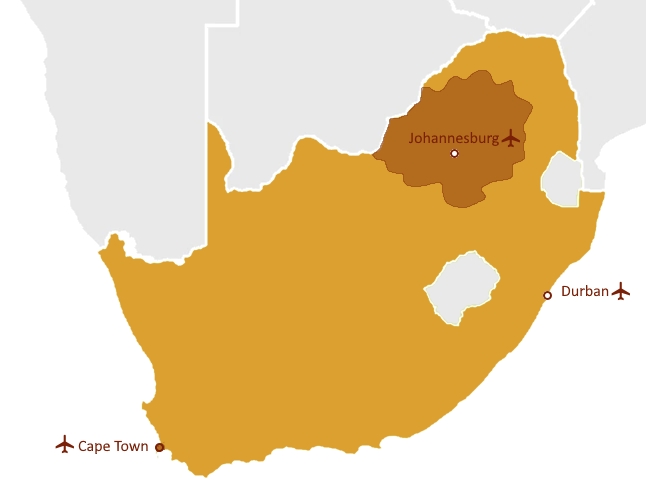
In August, Gauteng's climate remains dry and stable. The temperatures rise slowly and the air remains clear. The landscape appears open and expansive, ideal conditions for wildlife viewing in the surrounding parks. This month offers very good conditions for a varied trip between Johannesburg, Pretoria and Pilanesberg. It continues to be Gauteng's best time to travel.
July is one of the most stable months in Gauteng. Dry air, sunny days and cool nights characterize the highland climate. The vegetation is low, animals are clearly visible in surrounding reserves. The conditions are excellent for cultural trips, city tours and safaris in Pilanesberg. Many travelers see this period as the core of Gauteng's best time to travel, particularly for combined nature and city trips.
June brings dry winter days to Gauteng. During the day, the sun usually shines at pleasant temperatures, but it can be cool at night. Rain is rare, the air is clear and visibility is wide. There are excellent conditions for trips, city tours and safaris in nearby reserves. For many, this phase is considered the best time to travel to Gauteng, as climate and activities can be optimally combined.
In May, the dry winter phase prevails in Gauteng. The days are clear and sunny, the nights are much cooler. The landscape looks more open and the visibility is excellent. The conditions are very good for safaris in Pilanesberg or cultural discoveries around Johannesburg. Many visitors count Gauteng as the best time to travel this month, as pleasant temperatures and stable weather conditions go hand in hand.
In March, the tendency to rain in Gauteng is slowly declining. The temperatures remain pleasantly warm while the humidity drops. The landscape is still green, but visibility is improving. A balanced travel time is now being created for sightseeing tours, cultural highlights and trips to game reserves. If you're looking for a flexible alternative to the classic best time to travel to Gauteng, you'll find good conditions for combining culture, nature and safari.
April marks the transition to the dry season in Gauteng. The days are sunny and mild, rainfall is scarce. The vegetation is beginning to retreat, making it easier to spot wildlife in Pilanesberg. At the same time, there are ideal conditions for city tours in Johannesburg and Pretoria. Many travelers already regard this month as the start of the best time to travel to Gauteng, as the climate and visibility are particularly pleasant.
February stays warm in summer in Gauteng. Short thunderstorms provide fresh air and lush vegetation in the Highveld. City tours in Johannesburg or Pretoria are easy to combine with nature experiences. Wildlife viewing is possible for safaris in nearby Pilanesberg, even though the vegetation is denser. In terms of climate, the drier months are considered the best time to travel to Gauteng, but summer impresses with a lively atmosphere and intense colors.
December is high summer in Gauteng. Warm temperatures and regular afternoon thunderstorms characterize the climate. Nature is green and alive. Good conditions remain for sightseeing, museum visits and trips to nearby reserves, even as heat and humidity rise. The best time to travel to Gauteng is usually seen in the dry winter months due to weather conditions.
November brings summer warmth to Gauteng. Thunderstorms occur more frequently, the landscape is becoming more lush. The conditions remain good for cultural discoveries around Johannesburg and Pretoria, even though it can get humid at times. The best time to visit Gauteng is climatically in the dry winter period, but this month offers lively nature and warm temperatures.
January is in the middle of South African summer in Gauteng. Warm temperatures and regular afternoon thunderstorms characterize the climate in the highlands around Johannesburg and Pretoria. The landscape is green and lively. The conditions are good for trips to Soweto, Pretoria or nearby game reserves such as Pilanesberg, even though it can be humid at times. The drier winter months are considered to be the classic best time to travel to Gauteng, but this period offers intense natural vibes and fewer international visitors.
Spring begins noticeably in Gauteng in October. The temperatures are rising and the first rain showers enliven the landscape. The vegetation is becoming greener and the overall climate remains pleasant. There are still good conditions for city trips and nature trips, even though the clear dry phase comes to an end. The winter months are still considered the unrestricted best time to travel to Gauteng.

Lorem ipsum dolor sit amet, consectetur adipiscing elit. Suspendisse varius enim in eros elementum tristique. Duis cursus, mi quis viverra ornare, eros dolor interdum nulla, ut commodo diam libero vitae erat. Aenean faucibus nibh et justo cursus id rutrum lorem imperdiet. Nunc ut sem vitae risus tristique posuere.
February remains warm in summer on South Africa's Wild Coast. Short showers provide fresh air and green hills. The sea reaches pleasant bathing temperatures, ideal conditions for beach stays. For travelers looking for coast, nature and peace, this month offers attractive options. However, the milder and drier winter months are considered to be the classic best time to travel Wild Coast South Africa, as the humidity can be higher in midsummer.
September brings slowly rising temperatures to South Africa's Wild Coast. The climate remains mostly dry, and the first spring impulses are visible. The coastal landscape appears lively without being overgrown. For many travelers, this month remains the best time to travel to Wild Coast South Africa, as the climate and experience of nature are in perfect harmony.
In August, the dry winter climate continues on the Wild Coast. The temperatures rise slightly but remain pleasant. The vegetation is less dense and the views of the sea are particularly clear. This month offers very good conditions for hiking trips, photo tours and relaxing coastal experiences. It is still considered part of the best time to travel to Wild Coast South Africa.
July is one of the most pleasant months on the Wild Coast. Sunny days, dry air and moderate temperatures characterize the climate. The landscape appears open and expansive, and the view along the coast is excellent. For active travelers, hikers and those seeking peace and quiet, this period is considered the core of the best time to travel Wild Coast South Africa, as heat and humidity remain low.
June brings dry winter days to South Africa's Wild Coast. The temperatures are pleasantly mild, the air is clear and the visibility is excellent. Rain rarely falls. There are now particularly good conditions for hikes along the coastal paths or relaxing nature trips. Many visitors regard Wild Coast South Africa as the best time to travel this month, as the climate is stable and not humid.
In October, it gets noticeably warmer on the Wild Coast. The first rain showers may occur and the landscape becomes fresher and greener. Good conditions remain for beach days and coastal hikes, even though the humidity slowly increases. However, the best time to travel to Wild Coast South Africa is still the dry winter months.
In May, conditions on the Wild Coast are stable and mostly dry. The days are mild, the nights are cooler. The vegetation becomes a bit lighter but remains green. This month offers ideal conditions for hiking, horseback riding or relaxing days at the beach. Many travelers see this phase as part of the best time to travel to Wild Coast South Africa, as climate, peace and nature experience go together perfectly.
April marks the transition to drier conditions on South Africa's Wild Coast. The temperatures are mild and rainfall is scarce. The hilly landscape remains green and the climate is pleasant for active exploration. For hiking trips, coastal tours and nature experiences, this period is already considered the beginning of the best time to travel to Wild Coast South Africa. The combination of moderate temperatures and clear air provides particularly wide views along the dramatic coastline.
In March, the chance of rain on the Wild Coast gradually decreases. The temperatures remain pleasantly warm and the air becomes clearer. The landscape is still green, but visibility of the vast coastal panoramas is improving. There are very good conditions for hikes along the famous Wild Coast Trails. If you are looking for an alternative to the classic best time to travel Wild Coast South Africa, you will find a balanced mix of nature, climate and peace in March.
December is high summer on South Africa's Wild Coast. Warm temperatures, lively landscapes and occasional thunderstorms characterize the climate. The coast is intensely green and the sea is warm. There are good conditions for beach days and nature experiences, even when the humidity rises. The best time to travel to Wild Coast South Africa is during the dry winter period due to weather conditions.
November brings summer warmth to South Africa's Wild Coast. Thunderstorms occur more frequently, the vegetation is becoming denser and the sea is pleasantly warm, ideal conditions for swimming trips. There are still good options for nature trips, even though it can be humid at times. In terms of climate, the best time to travel to Wild Coast South Africa is usually seen in the dry months.
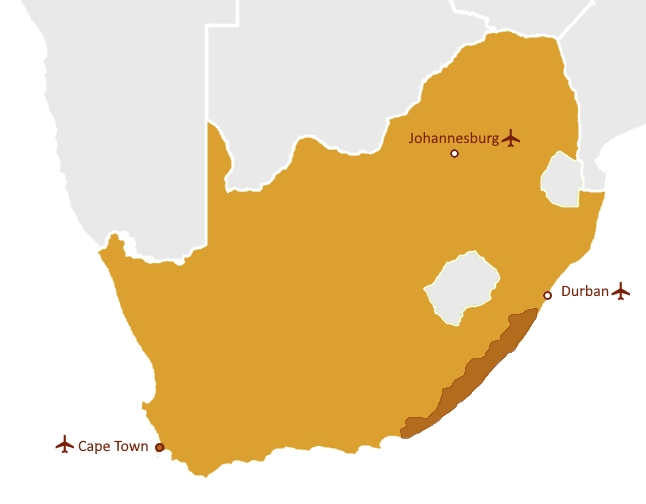
January is midsummer on South Africa's Wild Coast between Port Elizabeth and Durban. Warm temperatures, noticeable humidity and occasional thunderstorms characterize the climate. The coastal landscape is green and lively, and the sea is pleasantly warm. There are good conditions for hiking along cliffs and beach days, even though it can be humid at times. In terms of climate, the best time to travel to Wild Coast South Africa is the drier months, but summer offers intense colors and lively nature.

Lorem ipsum dolor sit amet, consectetur adipiscing elit. Suspendisse varius enim in eros elementum tristique. Duis cursus, mi quis viverra ornare, eros dolor interdum nulla, ut commodo diam libero vitae erat. Aenean faucibus nibh et justo cursus id rutrum lorem imperdiet. Nunc ut sem vitae risus tristique posuere.
September brings spring-like impulses to the Drakensberg Mountains. The temperatures are slowly rising and the climate remains mostly dry. The first flowers appear at lower altitudes. There are still very good conditions for active trips. Many travelers still regard this month as part of the best time to travel to Drakensberg South Africa, as a mild climate and good visibility come together.
In August, the climate in the Drakensberg Mountains remains dry and clear. The temperatures rise slightly and the nights remain cool. The landscape looks more open, the view is excellent. There are still very good conditions for hikes and panoramic tours. This month is still the best time to travel to Drakensberg South Africa, as weather stability and visibility are in perfect harmony.
July is one of the most stable months in the Drakensberg Mountains. Dry air, sunny days and cold nights characterize the highland climate. At higher altitudes, there may occasionally be snow. The view of the mountain ranges is excellent. For hiking enthusiasts, this period is considered the core of the best time to travel to Drakensberg South Africa, as rain hardly plays a role and the climate is easy to plan.
June brings dry and stable winter days to the Drakensberg Mountains. The temperatures are pleasantly cool during the day, and it can get frosty at night. Rain is rare and the visibility is exceptionally good. There are excellent conditions for hiking and mountain tours. This phase is considered by many to be the best time to travel to Drakensberg South Africa, especially for active nature and trekking trips.
In May, the dry winter phase begins in the Drakensberg Mountains. The days are clear and sunny, the nights are cool. The air is particularly transparent, resulting in spectacular views. This month offers ideal conditions for hiking trips, trekking and nature photography. Many visitors consider this time the best time to travel to Drakensberg South Africa, as weather stability and visibility are optimal.
In March, the tendency to thunderstorms in the Drakensberg Mountains slowly subsides. The temperatures remain mild and the air becomes clearer. The landscape is still green, but the view of the peaks is significantly improving. There is now a very balanced travel time for hiking trips. If you travel flexibly, this is an attractive alternative to the classic best time to travel to Drakensberg South Africa with good conditions for active nature experiences.
April marks the transition to the drier season in the Drakensberg Mountains. The temperatures are pleasantly mild and rain falls less frequently. The vegetation remains green, but the visibility is significantly better. There are now excellent conditions for hiking and mountain tours. Many travelers already regard this month as the start of the best time to travel to Drakensberg South Africa, as the climate and panorama are particularly balanced.
February remains summery in the Drakensberg Mountains. Thunderstorms continue to occur regularly, particularly in the afternoon. The temperatures are pleasantly warm, significantly cooler at higher altitudes. The landscape remains lush green and is ideal for panoramic hikes if tours start early. The best time to travel to Drakensberg South Africa is considered to be the more stable winter months, yet this period impresses with intense colors and impressive mountain scenery.
December is high summer in the Drakensberg Mountains. Warm temperatures and regular thunderstorms characterize the climate. The mountain landscape is lush green, waterfalls carry a lot of water. There are good conditions for active travel, even if the weather stability is lower. The best time to travel to Drakensberg South Africa is more during the dry winter months with clear visibility and stable temperatures.
November brings summer warmth to the Drakensberg Mountains. Thunderstorms occur more frequently, particularly in the afternoon hours. The landscape is green and rich in water. Early tours are recommended for hiking trips. In terms of climate, the best time to travel to Drakensberg South Africa is usually seen in the dry winter phase, but this month offers intense natural vibes and lively mountain landscapes.
In October, temperatures in the Drakensberg Mountains rise significantly. The first thunderstorms can occur and the vegetation becomes fresher. Hikes are still quite possible, but require flexible planning. In terms of climate, the best time to travel to Drakensberg South Africa is considered to be the dry winter months, but spring offers vivid colors and pleasant temperatures.
January is midsummer in the Drakensberg Mountains of South Africa. Warm temperatures in the valley and frequent afternoon thunderstorms at high altitudes characterize the climate. The mountain landscape is green and rich in water, waterfalls carry a lot of water. Early start times are recommended for hikes. In terms of climate, the dry winter months are considered to be the classic best time to travel to Drakensberg South Africa, but summer offers impressive cloud vibes and lively experiences of nature.