Once upon a time, long ago, elephants didn't have trunks, according to Rudyard Kipling. They only had small noses—and one very special elephant child had something else in abundance: curiosity.
It wanted to know everything about its surroundings and constantly asked its family questions: Why? How? What for?
Then it asked a question that no one wanted to answer:
What does the crocodile have for dinner?
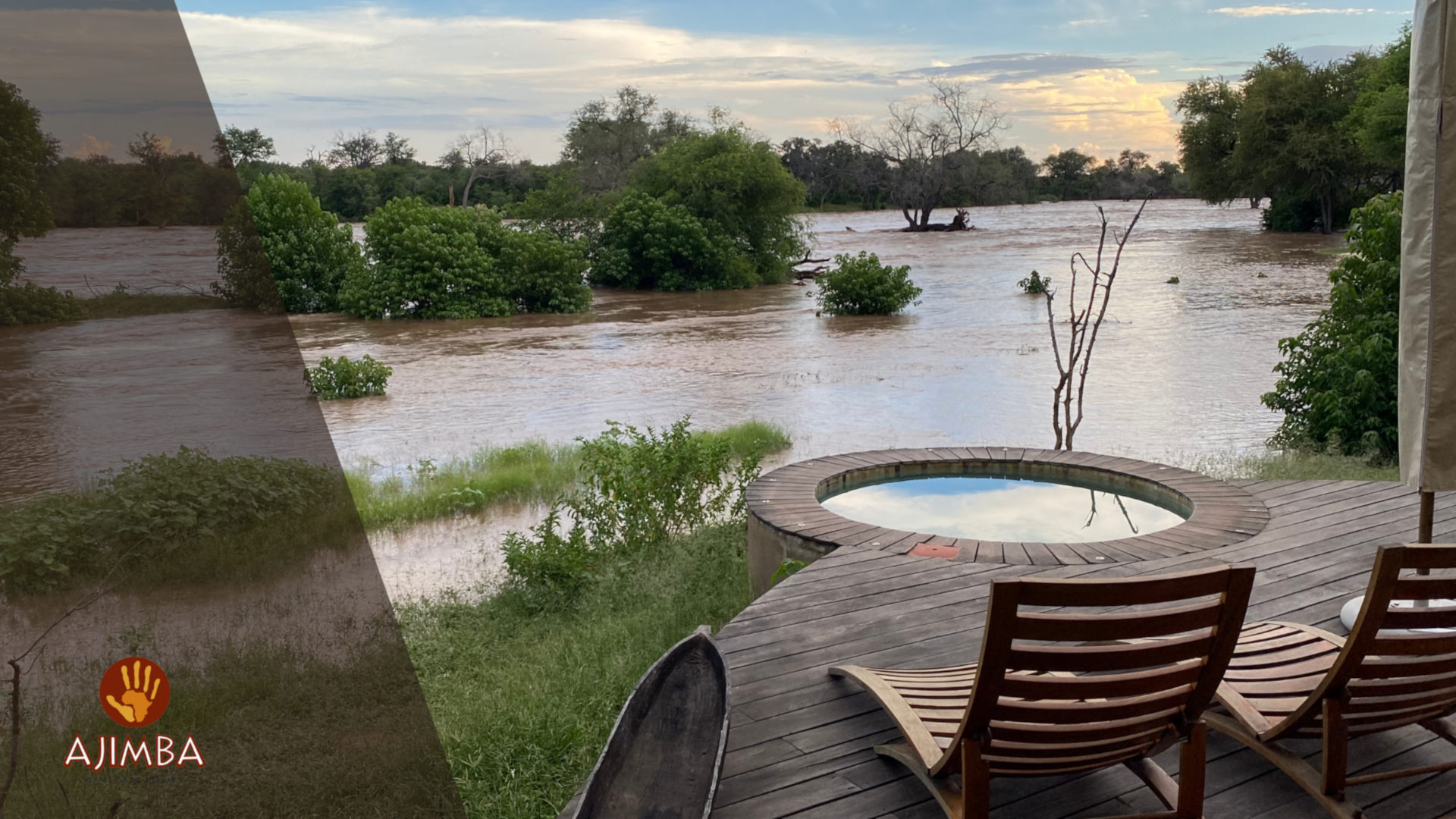
The determined elephant child saw only one way to find out. It set off for the "great, grey-green, greasy Limpopo."
There, it actually found a crocodile and leaned in a little too far to ask its question. The crocodile grabbed its nose and pulled toward the water. The elephant child pulled back with all its might—until a once-small nose had become a very long trunk.
At first, it was understandably very unhappy about this. But soon, it discovered the advantages of its new trunk. It could use it to reach for food, pull up grass, swat away flies, and spray itself with water.
The elephant child arrived at the Limpopo with a question—and was changed by what it discovered there.
Perhaps we are sometimes similar.
A safari with time for curiosity
We probably don't travel to the Limpopo to find out what a crocodile has for dinner. Nevertheless, we bring our own questions with us.
Some relate to nature and the animals we encounter. Others concern our own lives, our decisions, or what might come next.
Far from the noise and routines of everyday life, the African bush gives us the space to reconnect with these questions.
The Tuli Block is located in eastern Botswana. Rocky hills, open plains, large ancient trees, and wooded riverbanks define a landscape that is distinctly different from the well-known water worlds of the Okavango Delta.
The Limpopo is part of this pristine landscape. Elephants, lions, leopards, and numerous bird species live here. Yet, the region's unique appeal cannot be explained by a simple checklist of animals.
It is a landscape that rewards attention.
A slow safari in Botswana is not about ticking off as many animal species as possible in a short amount of time. It is about staying long enough to truly see what is happening right before your eyes.
From seeing to observing
Perhaps the safari vehicle stops because an elephant is standing next to the path.
Naturally, the first instinct is to take a photo. But then, you don't just drive on.
You stay.
And slowly, you begin to see more.
How carefully the great trunk selects one specific branch. How the herd communicates almost silently. How a calf watches the older elephants and mimics their movements. How an animal suddenly pauses, listens, and turns toward a sound that we ourselves have not yet perceived.
The longer you stay, the more the scene reveals.
You discover tracks on the path, stripped bark, and a broken branch in the dust. Perhaps a large tree has even been pushed over by an elephant.
What looks like damage at first glance becomes a question.
Why did it happen? What impact does it have on the vegetation? Is the elephant destroying something—or is it fulfilling its natural role in an ecosystem it has helped shape for millennia?
Tracks, alarm calls, broken branches, and even the silence become clues. Suddenly, the bush is no longer just a backdrop full of animals to photograph.
It becomes a story that you are slowly learning to read.
Traveling slower does not mean experiencing less
A slow safari doesn't mean sitting still all day. Game drives, guided walks, and time by the river can all be part of the journey.
The difference lies in how you experience this landscape.
There is time to follow an interesting track, observe an animal's behavior, or stop for something you might otherwise have easily overlooked. A good guide doesn't just explain which animal is in front of you; they also show you how the different parts of the landscape are connected.
Suddenly, even the smaller discoveries become important: the shape of a footprint, the alarm call of a bird, the work of termites, or the changing colors of the landscape in the late afternoon light.
Without the pressure to immediately find the next sighting, you can focus entirely on the moment right in front of you.
Why the Tuli Block is ideal for a slow safari
Many travelers associate a Botswana safari primarily with the Okavango Delta and Chobe National Park. Both have earned their reputations, but the Tuli Block shows a completely different side of Botswana.
Rocky outcrops, vast savannas, large trees, and seasonal rivers create a diverse backdrop. The region is particularly well-known for its elephants and predators, but the landscape itself is just as impressive.
The Tuli Block is easy to integrate into a longer trip to Botswana. It can also be combined with South Africa or Zimbabwe.
The region is particularly well-suited for people looking for more than a classic game drive. It is for travelers who want time in nature, personal guidance, and a deeper understanding of the places they visit.
When a safari changes your perspective
Perhaps your questions will start to look different at some point.
Between watching a herd of elephants, reading a track, and a quiet evening by the fire, you realize that there is nowhere else you need to be.
That is exactly where the special beauty of a slow safari lies.
It is not just about traveling more slowly. It is about looking long enough to become curious again.
You no longer just see an elephant; you observe what it is doing. You no longer just see a fallen tree; you wonder why it is lying there. Sounds, movements, tracks, and even the silence become part of the experience.
And at some point, it is not just the way you look at the landscape that changes.
Almost unnoticed, the safari also begins to change the traveler.
The elephant's child came to the Limpopo in search of an answer. More than 120 years later, we still come here with our own questions—perhaps just a little more slowly.
Your custom Botswana trip with Ajimba
Would you like to include the Tuli Block in a Botswana itinerary or a longer journey through Southern Africa?
Ajimba African Tours plans personalized trips based on how you want to experience Africa—not just on how many places you can pack into an itinerary.
Talk to our team. Together, we will plan a safari with plenty of time to stop, observe, and satisfy your curiosity.